
A reposting from this original by Genius Thinking
1/ The Bloom-Bilal Rule:
When bored and lacking ideas, keep walking until the day becomes interesting.

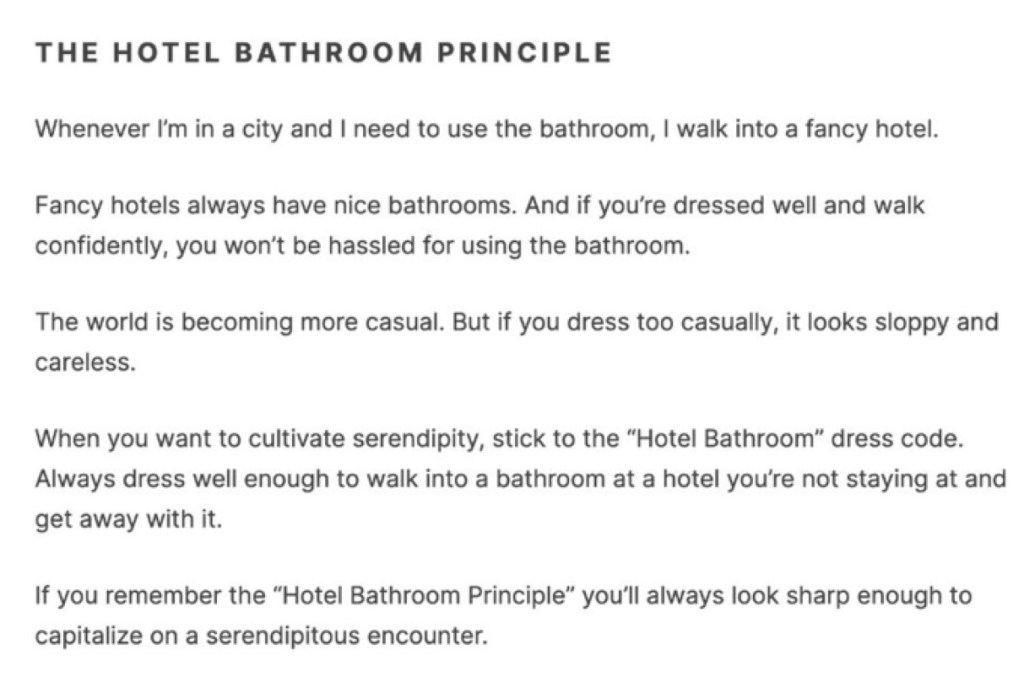
2/ Perell’s Hotel Bathroom Principle:
Dress well enough to enter any hotel bathroom unnoticed.
3/ Social Proof Razor:
When Sylvan Goldman invented shopping trolleys, people initially thought they were silly.
To change this perception, he paid actors to use trolleys in his stores, and others quickly followed suit.

4/ Walt Disney’s Rule:
When struggling to think, draw it out.
This is Walt Disney’s iconic 1957 drawing of his Media Empire.

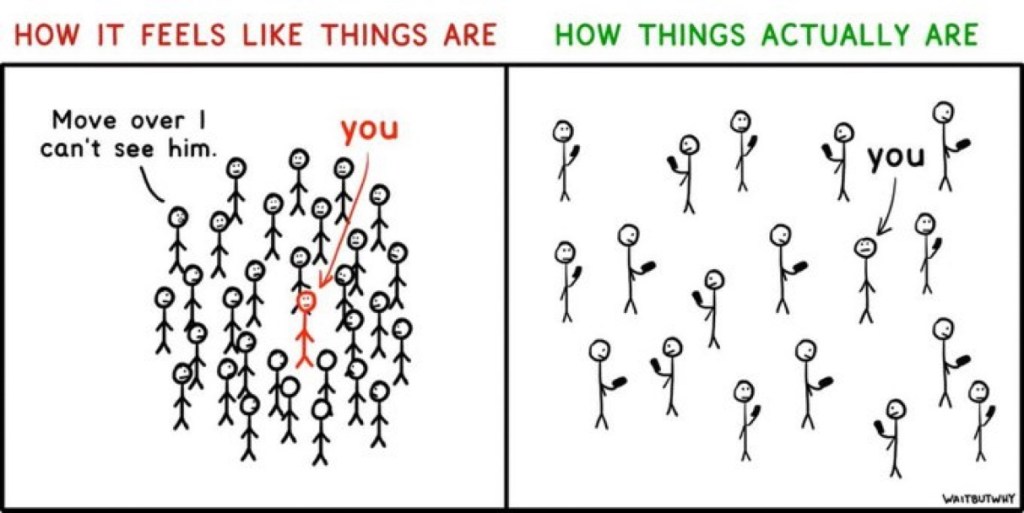
5/ Narcissism Razor:
Don’t worry about people’s opinions. They’re too busy worrying about others’ opinions of them.
You’re mostly an extra in someone else’s movie.
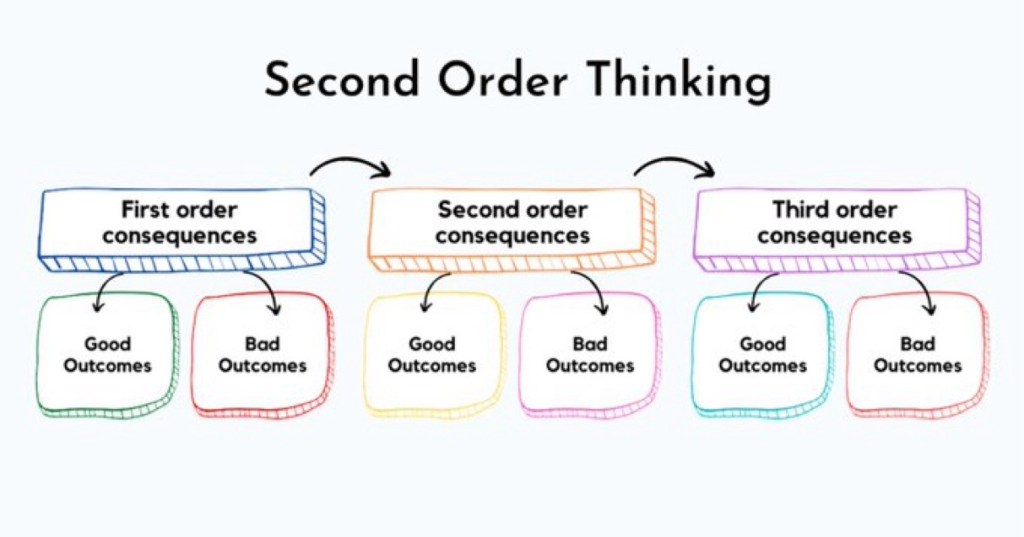
6/ Second-Order Thinking
Most people see immediate consequences.
Explore second and third-order consequences of your decisions; odds are, what seems good initially might not be the best decision, and vice versa.
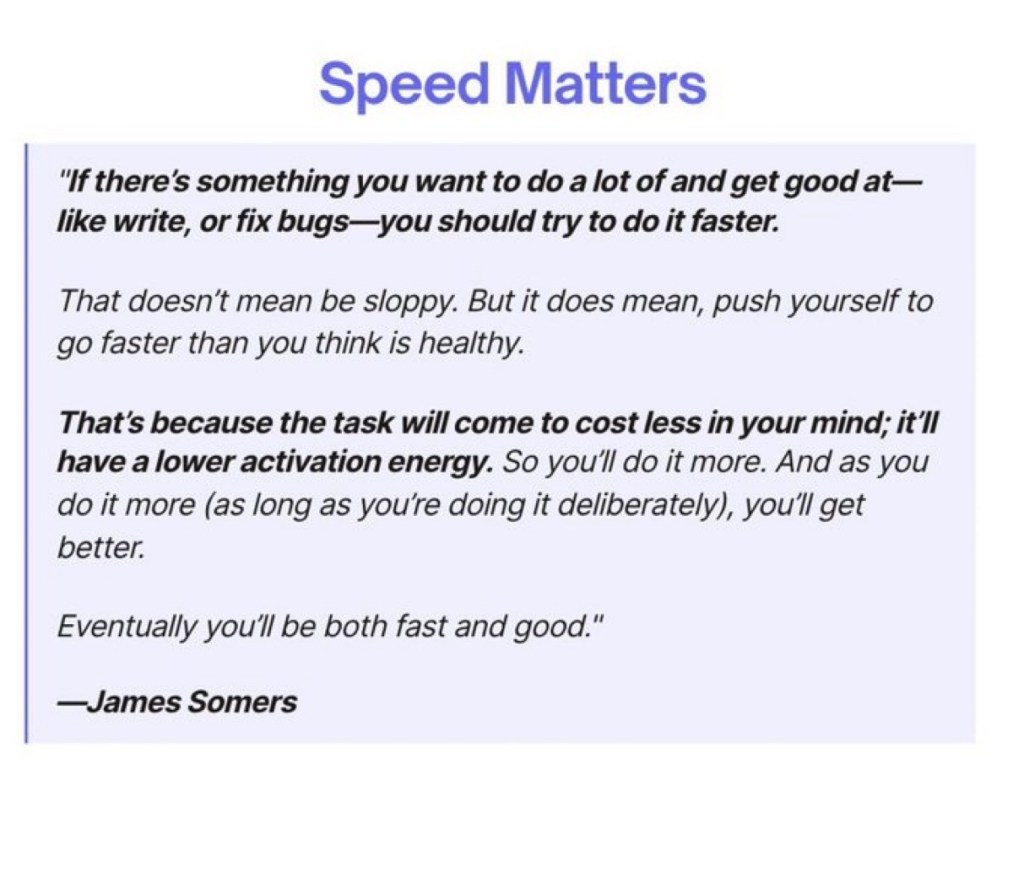
7/ Speed Matters
Faster actions need less energy.
Beat procrastination by cutting tasks into smaller chunks and picking up the pace.
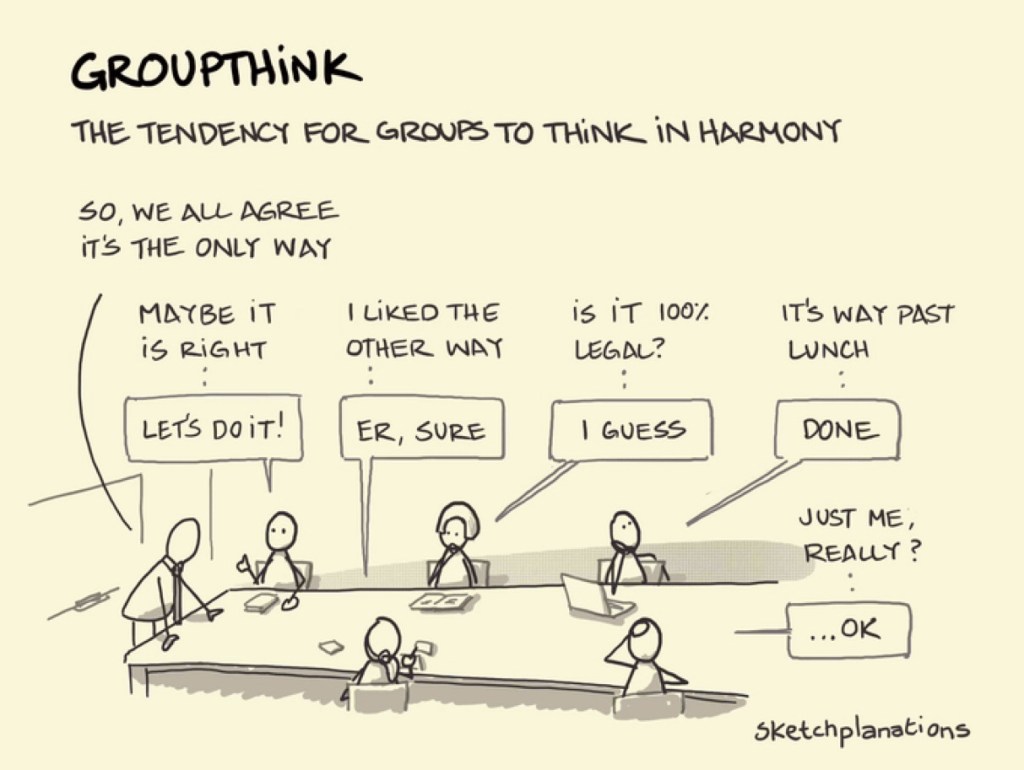
8/ Groupthink:
A psychological phenomenon where individuals prioritize consensus and conformity within a group.
They sacrifice personal beliefs to appease the collective, resulting in silent opposition and faltering decision-making.
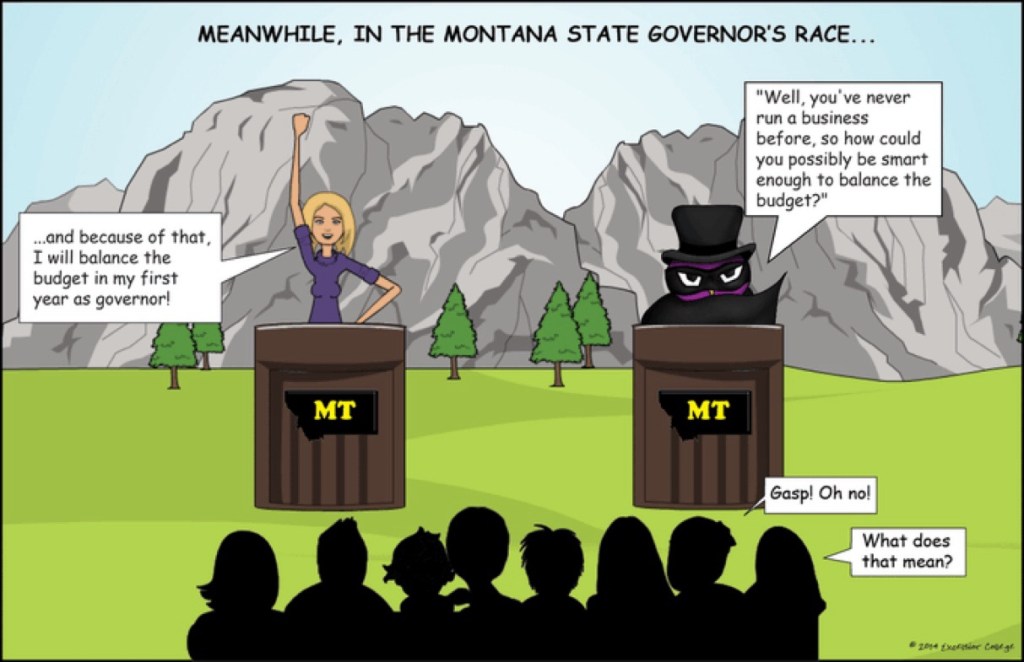
9/ Ad Hominem:
An attack on the person instead of an argument.
Instead of engaging with the merits of an argument, we resort to discrediting the opposition based on personal traits.
Sadly, this tactic is all too prevalent in politics and Twitter debates.
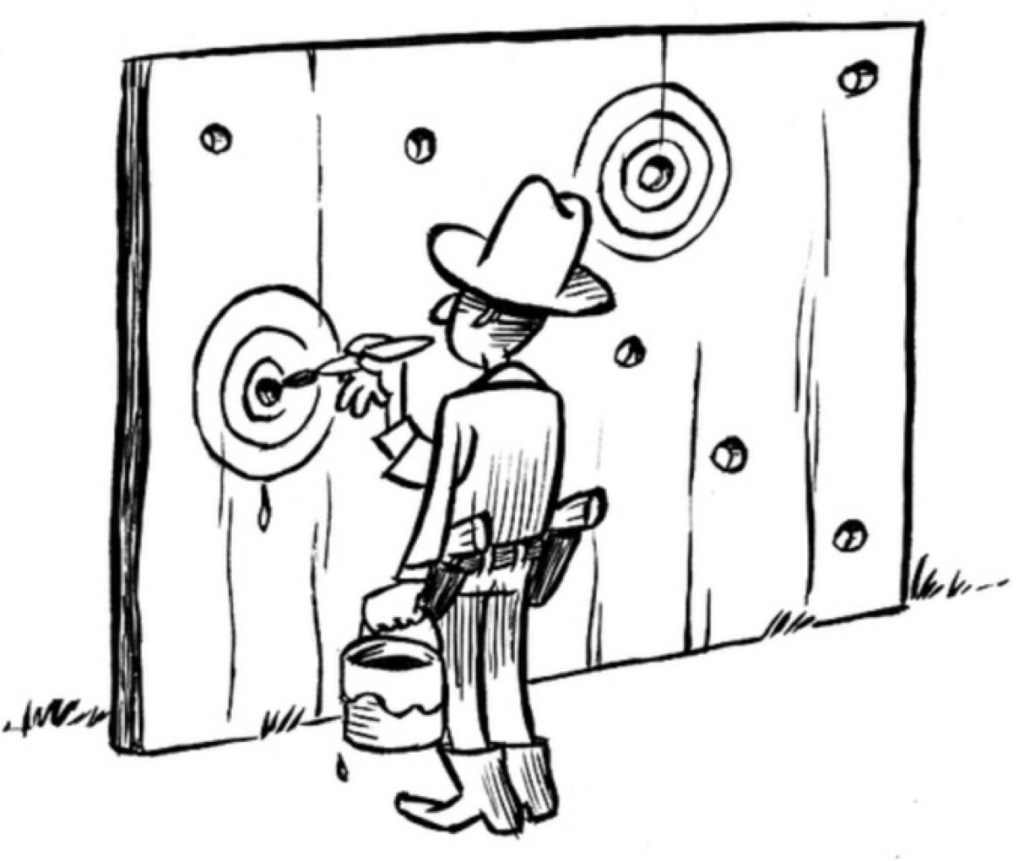
10/ The Texas Sharpshooter:
A Texan fires a gun at a barn wall and then paints a target around the closest cluster of bullet holes.
We select evidence that supports the conclusion while ignoring evidence that may refute it.
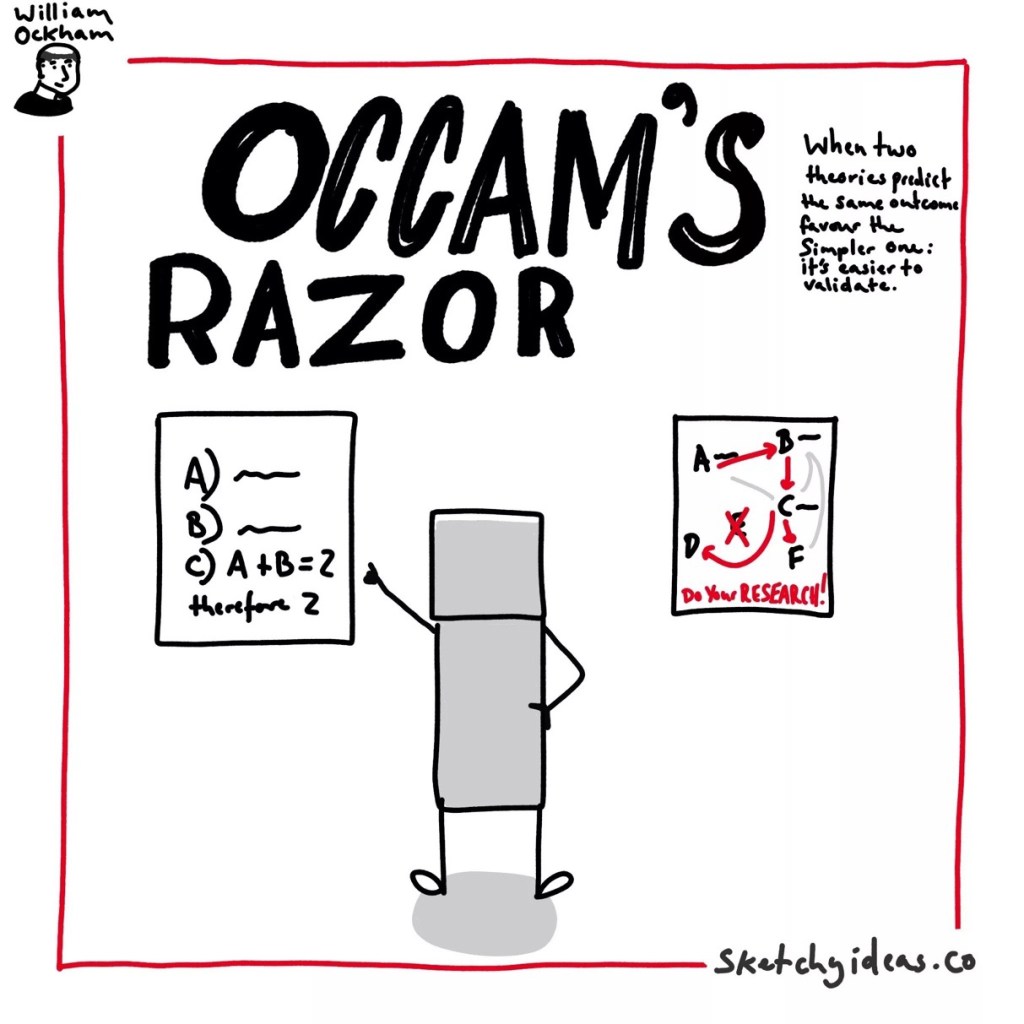
11/ Occam’s Razor:
When faced with competing explanations, the simplest one is usually correct.
Einstein put it best: “Everything should be made as simple as possible, but no simpler.”
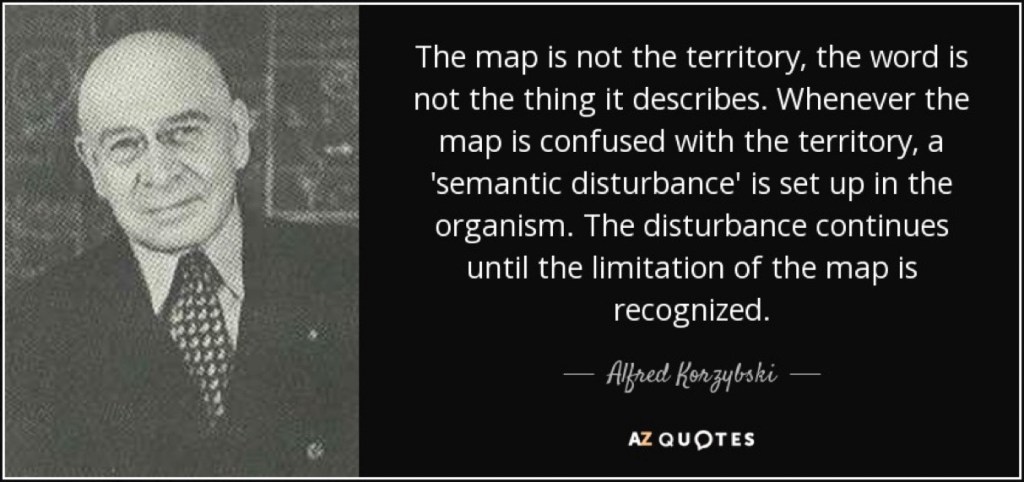
12/ The Map is Not the Territory:
Our mental models of reality are not reality itself.
The menu is not the meal. The blueprint is not the building.
Just because you can conceptualize something doesn’t mean you understand it fully.
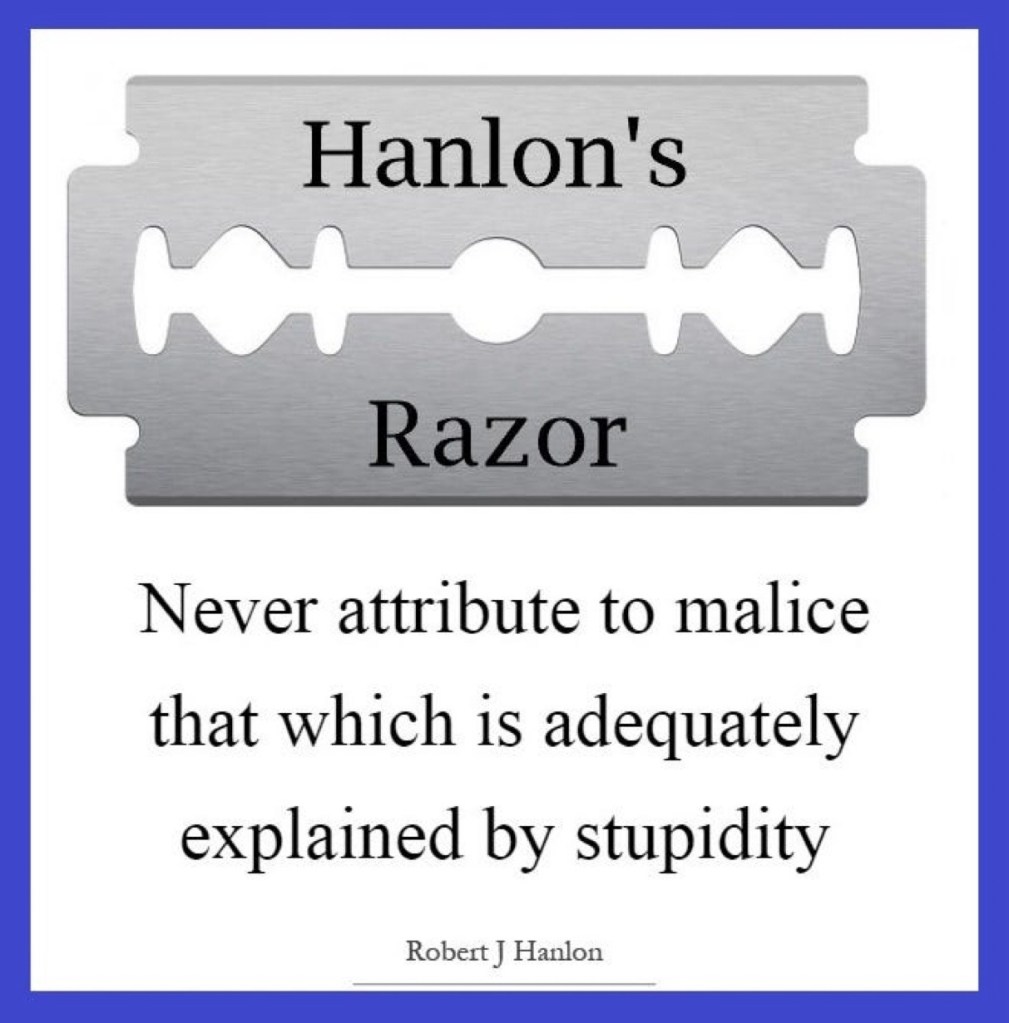
13/ Hanlon’s Razor:
Never attribute to malice what can be adequately explained by stupidity or incompetence.
Most people aren’t plotting against you – they’re just trying their best with limited information.
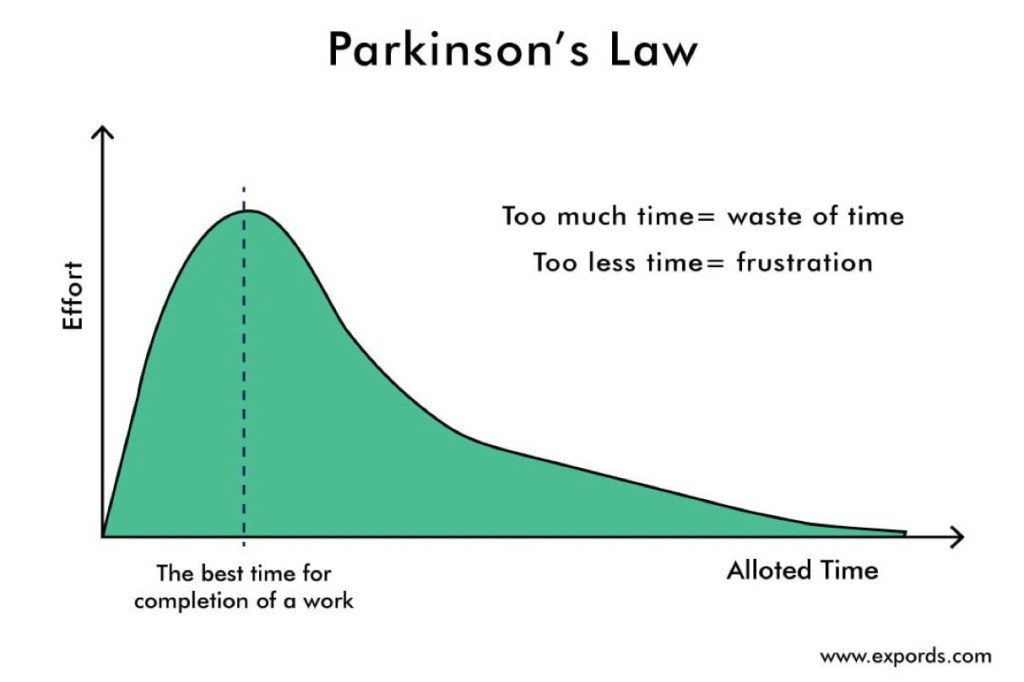
14/ Parkinson’s Law:
Work expands to fill the time available for its completion.
A task that could take 2 hours will mysteriously take 2 weeks if that’s your deadline.
Set aggressive timelines to maintain focus.
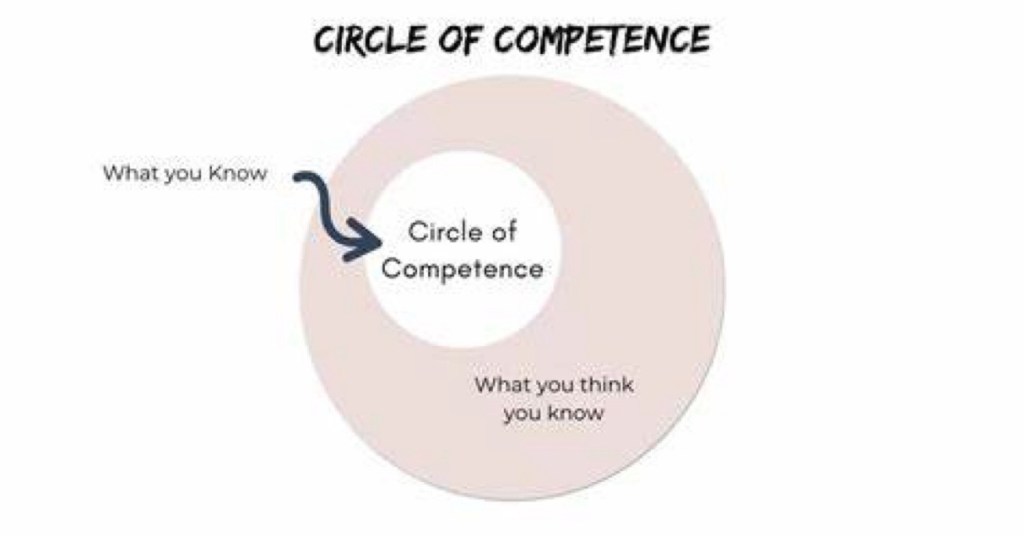
15/ Circle of Competence:
Know the boundaries of your knowledge and stay within them.
Warren Buffett: “The size of your circle is not important. Knowing its boundaries is.”
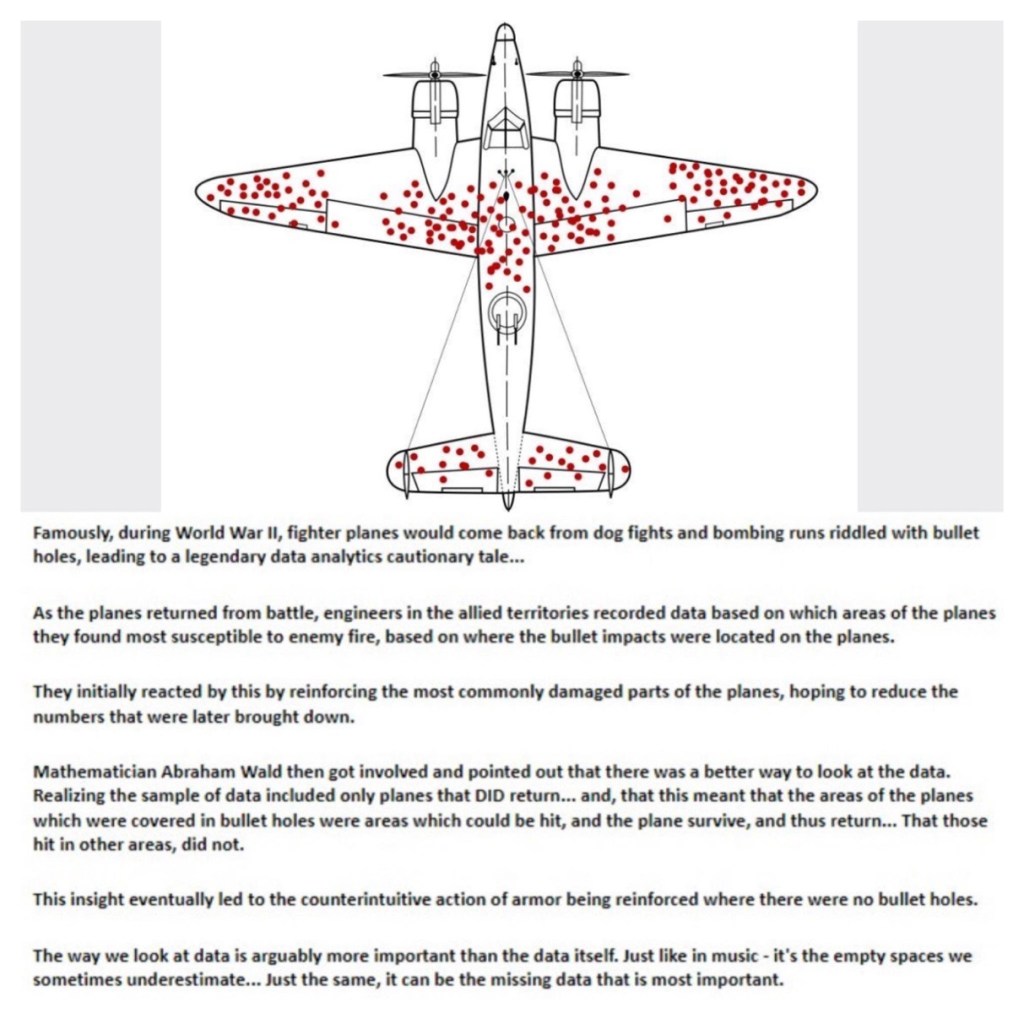
16/ Survivorship Bias:
We focus on successful examples while ignoring the failures.
Just because every billionaire you know dropped out of college doesn’t mean you should.
You’re not hearing about the millions who failed.
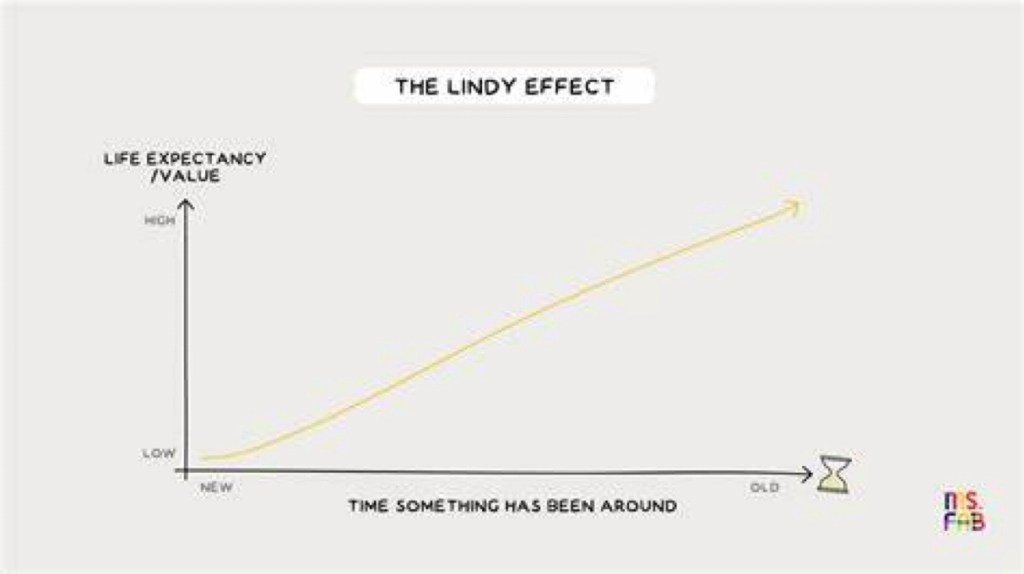
17/ The Lindy Effect:
The longer something has existed, the longer it’s likely to continue existing.
Books that have been read for 100 years will likely be read for another 100. The new bestseller? Probably forgotten next year.
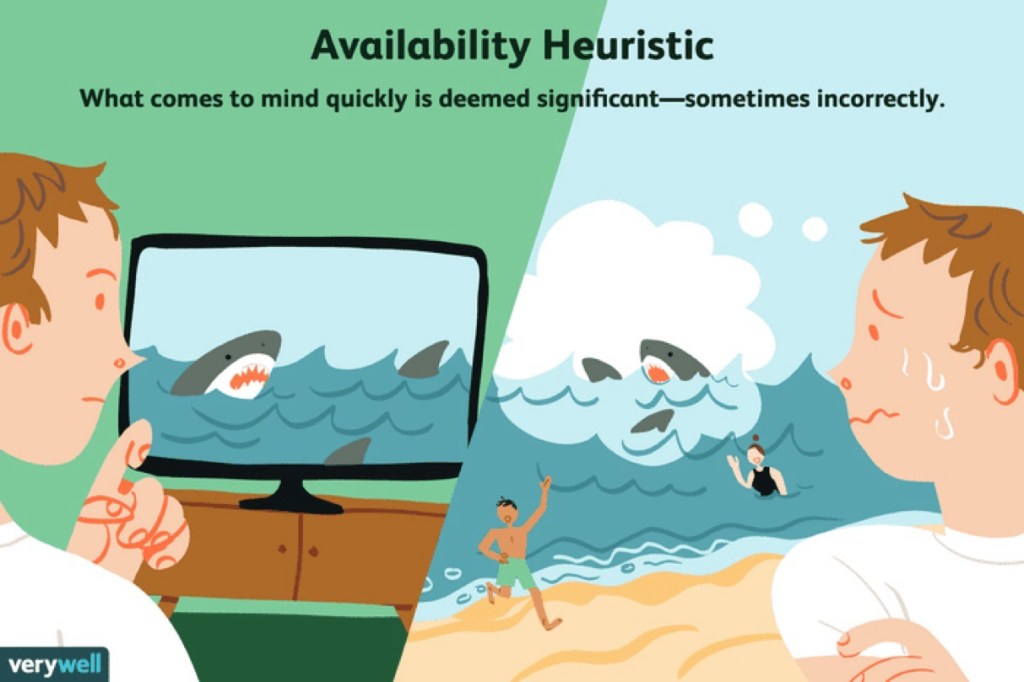
18/ Availability Cascade:
The more you hear something, the more you believe it – regardless of its truth.
This is why propaganda works and why fake news spreads so quickly.
Why I hate the news. If something is important enough, I will know about it soon enough.
19/ Dunning-Kruger Effect:
The less you know about a subject, the more confident you are in your expertise.
True experts understand how much they don’t know. Beginners think they know everything.

20/ The Pygmalion Effect:
People tend to perform according to the expectations placed upon them.
If a teacher believes a student is brilliant, the student often rises to meet tha
t expectation.
Our beliefs about others shape their reality.

 Muller Unlimited
Leave a comment