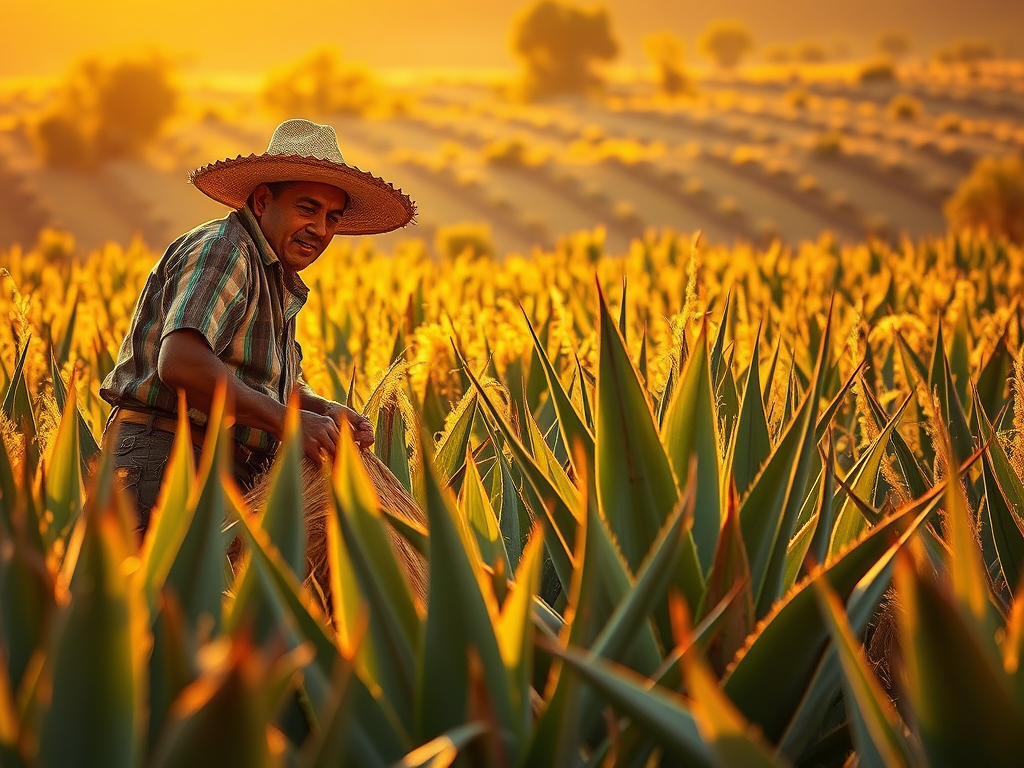
Tequila. Just uttering the word conjures images of sun-drenched agave fields, traditional jimadores wielding their coas, and the rich, complex aromas of a spirit steeped in history. But what if I told you that a significant portion of the tequila on the market, even some popular “100% agave” brands, might be missing a crucial piece of that soul?
Enter the diffuser.
For many tequila aficionados, the diffuser is a dirty word – and for good reason. This industrial marvel represents a stark departure from centuries-old tequila-making traditions, prioritizing efficiency and mass production over flavor and authenticity.
What Exactly Is a Diffuser?
Imagine a giant, high-tech washing machine for agave. Instead of slow-roasting the agave piñas in traditional brick ovens (or even modern autoclaves), a diffuser works like this:
- Shredding: Raw, often unripe, agave piñas are brutally shredded into tiny pieces.
- Washing: These shredded bits are then conveyed through a series of chambers where they’re doused with hot water, essentially “washing” the sugars (or more accurately, starches and fructans) right out of the agave fibers.
- Hydrolysis: The resulting starchy liquid then undergoes a chemical transformation, often with enzymes or even strong acids like sulfuric acid, to convert those starches into fermentable sugars. This step cleverly bypasses the need for traditional cooking altogether.
It’s fast. It’s efficient. And it’s a far cry from the romance of a smoky oven.
How Does a Diffuser Rob Tequila of Its Quality?
The impact of the diffuser on tequila quality is profound and often detrimental:
- The Agave Flavor Deficit: This is the biggest sin. Traditional roasting caramelizes agave sugars, creating the rich, nuanced, and truly distinctive flavors we associate with good tequila. Diffusers bypass this crucial step, resulting in a more neutral spirit – akin to an “agave vodka.” The soul of the agave, its earthy, vegetal, and sweet complexities, is largely absent.
- The Unripe Agave Problem: Because diffusers are so adept at extracting sugars from any agave material, producers can use younger, less mature agave plants that haven’t had time to fully develop their natural sugars and flavor compounds. It cuts costs and speeds up harvesting, but at the expense of the raw material’s inherent quality.
- The Additive Crutch: To compensate for the lack of natural agave flavor, diffuser-made tequilas often lean heavily on permitted additives. These can include caramel coloring for perceived age, oak extract for barrel notes, glycerin for mouthfeel, and sugar-based syrups for sweetness. While legally allowed (up to 1% by volume without disclosure), these additives can mask the spirit’s true character and create an artificial taste profile.
- Chemical Manipulation: The use of acids in the hydrolysis process can further alter the natural chemistry and flavor profile of the agave, sometimes introducing undesirable notes.
- Efficiency Over Craft: At its core, the diffuser is about industrial scale and speed. This focus on maximizing output inevitably overshadows the meticulous, time-honored craftsmanship that defines truly great tequila.
Which Popular Brands Use Diffusers?
This is where it gets tricky, as brands aren’t legally obligated to disclose their production methods. However, based on widespread industry knowledge and observations from the tequila community, several major, high-volume brands are widely believed to utilize diffusers for a significant portion of their production, especially their more affordable lines:
- Jose Cuervo: A behemoth in the industry, many of their mass-market lines (like Jose Cuervo Especial) are produced using diffusers.
- Sauza: Another major player, Sauza’s high-volume brands such as Sauza Blue, Hornitos, and Tres Generaciones are often linked to diffuser use.
- El Jimador: Known for its widespread availability and value, El Jimador is also widely considered a diffuser-made tequila.
- Cazadores: This brand, also a Bacardi holding, is frequently cited in discussions about diffuser production.
A Crucial Takeaway: “100% Agave” Isn’t Enough!
The “100% Agave” label simply means all the fermentable sugars came from the agave plant. It tells you nothing about how those sugars were extracted. A diffuser-made tequila can absolutely be labeled “100% Agave.”
If you’re seeking an authentic, flavorful tequila experience, look for brands that proudly highlight their traditional production methods – whether it’s slow-roasting in brick ovens, using a tahona (a large stone wheel) for crushing, or emphasizing small-batch production. The growing “additive-free” movement is also a fantastic indicator, as brands committed to purity almost exclusively employ traditional, quality-focused methods.
The next time you’re reaching for a bottle, consider the journey the agave took. Was it a hurried dash through an industrial “washing machine,” or a slow, deliberate transformation born of fire and tradition? Your palate will thank you for choosing the latter.
 Muller Unlimited
Leave a comment